Hearing protection for DJs
Club volumes can damage hearing in minutes. Learn safe exposure times, how musician earplugs work, booth monitor habits and early warning signs like tinnitus. General education only.
Why hearing is a DJ's most important gear
You can replace a mixer or a pair of headphones. You cannot replace damaged hearing. Noise-induced hearing loss is permanent, and it often comes with tinnitus, a ringing, buzzing or hissing sound in the ears that may never go away. DJs are at high risk because they spend long hours near loud sound systems and wear headphones for cueing.
This page is general education, not medical advice. If you notice hearing changes or ringing that lasts, see a doctor or audiologist.
How loud is too loud
Sound level is measured in decibels (dB). The scale is logarithmic, so every increase of about 3 dB doubles the sound energy. The US National Institute for Occupational Safety and Health (NIOSH) recommends limiting exposure to 85 dBA over 8 hours, and halving the time for every 3 dB increase.
| Level (dBA) | Recommended maximum exposure (NIOSH) |
|---|---|
| 85 | 8 hours |
| 88 | 4 hours |
| 91 | 2 hours |
| 94 | 1 hour |
| 97 | 30 minutes |
| 100 | 15 minutes |
| 103 | About 7.5 minutes |
Nightclubs and festivals can easily exceed 100 dB on the dancefloor and in some booths. That means unprotected exposure can reach safe daily limits within minutes.
Musician earplugs
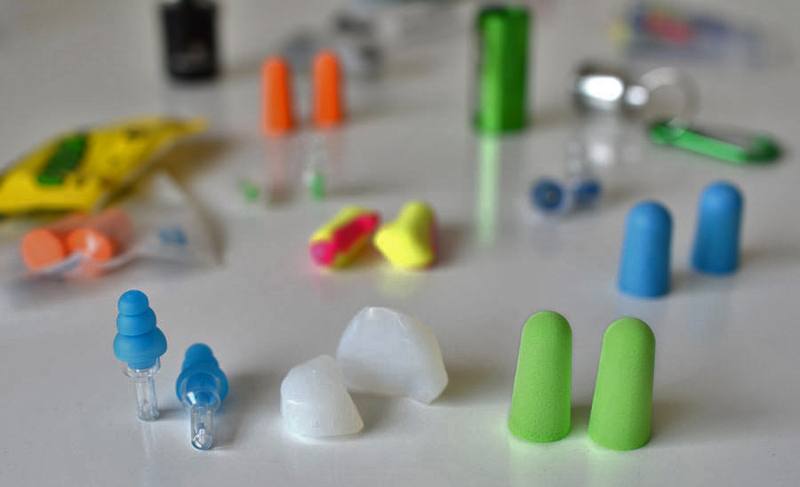
Foam earplugs reduce sound a lot but muffle high frequencies, making music sound dull. Musician earplugs, also called high-fidelity earplugs, are designed to reduce volume more evenly across frequencies, so music sounds clearer, just quieter.
| Type | Typical features |
|---|---|
| Foam | Cheap, strong reduction, muffled sound |
| Generic high-fidelity | Reusable, flatter reduction, affordable |
| Custom-molded | Fitted to your ears by an audiologist, with interchangeable filters, most comfortable |
Many DJs keep one earplug in and use the other ear for cueing, or wear both and rely on booth monitors at a moderate level. Find what works and practice with it so it feels natural at gigs.
Booth habits
- Turn the booth monitor down. Many DJs push the booth louder and louder over a night. Set it just loud enough to hear clearly.
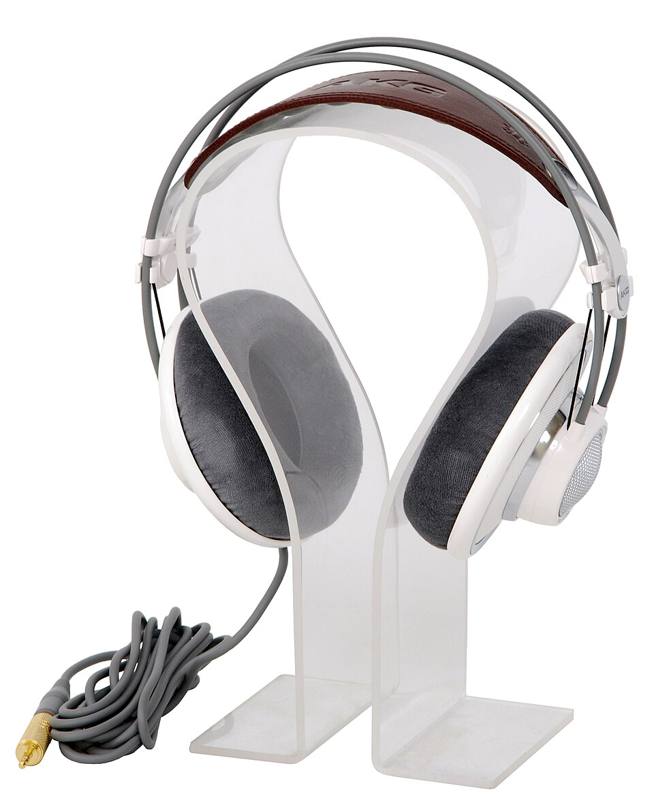
- Keep headphones at a sensible level. If you need very loud headphones to hear your cue, the booth is too loud. See headphones.
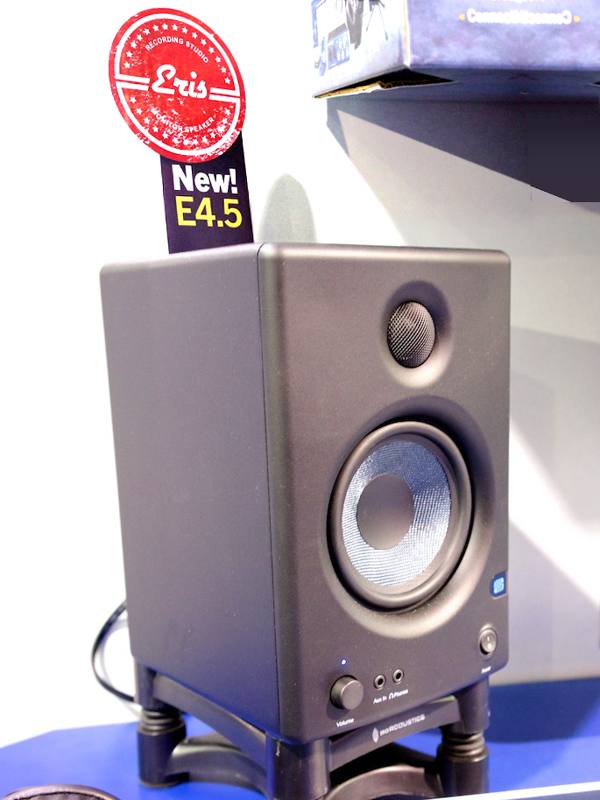
- Position monitors so they point at your ears, not past them, so they can be quieter. See monitors.
- Take breaks in a quiet room when possible.
- Avoid the front of the speakers when you are not playing.
Practice at home safely
Long practice sessions at high volume add up over time. Keep home speakers and headphones at moderate levels, and take short breaks. See practice routine.
Warning signs
- Ringing or buzzing in your ears after a gig.
- Muffled hearing that lasts after you leave.
- Trouble understanding speech in noisy places.
- Sensitivity to everyday sounds.
Temporary symptoms are a warning that you were exposed to damaging levels. Repeated exposure can make damage permanent.
Get a baseline test
Book a hearing test with an audiologist, especially once you start gigging regularly. A baseline lets you track changes over the years and catch problems early.
If ringing in your ears lasts more than a day or two, or you have sudden hearing loss, seek medical advice promptly.