Building a DJ set
How to plan a set from opening to closing, prepare playlists and backups, shape energy, and stay flexible once the music starts.
Plan the journey, not the tracklist
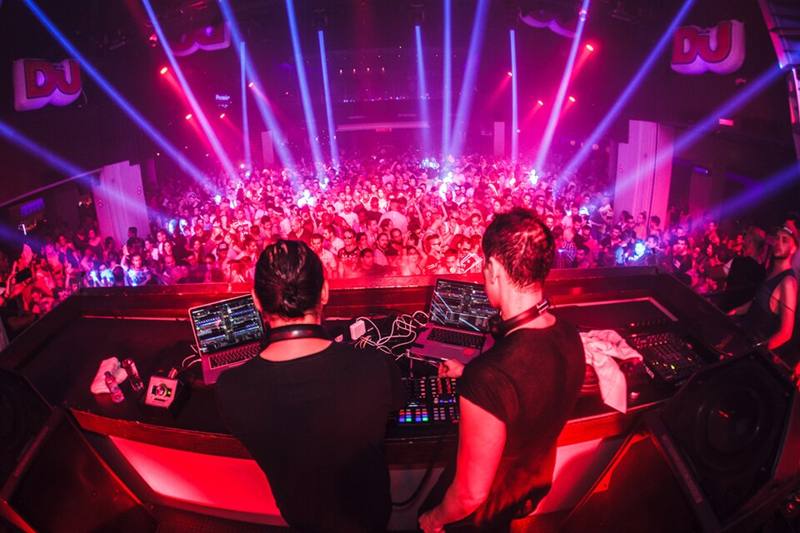
A strong set tells a story. It has a beginning that sets the mood, a middle that builds and an ending that leaves people satisfied. Experienced DJs rarely play a fixed tracklist. Instead, they prepare a pool of music and a rough map, then choose live based on the room. See reading a crowd.
Know your slot
| Slot | Goal | Typical approach |
|---|---|---|
| Opening or warm-up | Set the mood, fill the room gradually | Lower tempo, deeper or groovier tracks, no biggest anthems |
| Peak time | Maximum energy | Strongest tracks, faster transitions, big moments |
| Closing | Keep people dancing, then send them home happy | Emotional or classic tracks, gradual wind-down |
| Back to back | Share the decks with another DJ | Listen and respond to each other's selections |
Warm-up DJing is a valued skill. An opener who plays too hard steals energy from the headliner and leaves the night nowhere to go.
Preparing your music
- Build a crate of roughly two to three times as many tracks as you could play in the slot.
- Organize by role: openers, builders, peak tracks, breathers, closers.
- Tag key and BPM. See harmonic mixing and BPM and tempo.
- Set hot cues and loops on every track. See cueing.
- Listen to every track all the way through. Know where the vocals, breakdowns and quiet sections are.
- Make backups. A second USB, a downloaded copy of any streamed tracks, and a few emergency tracks you know well.
Shaping energy
Energy is not only tempo. It comes from drum intensity, bass, vocals, familiarity and mood. Ways to raise energy:
- Gradually increase BPM, a few BPM per several tracks.
- Move from instrumentals to vocals.
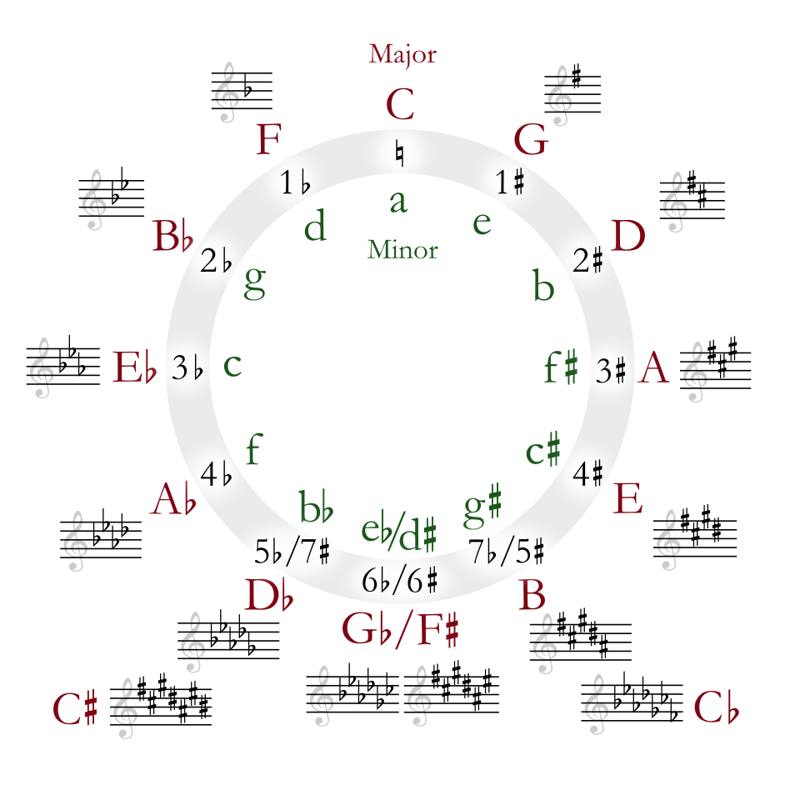
- Use energy jumps on the Camelot wheel.
- Shorten transitions and use cuts.
Ways to lower energy smoothly:
- Play a track with a long breakdown.
- Switch to a groovier, less intense track at the same tempo.
- Use a classic everyone knows as a breather.
Track count math
Track count depends on genre and style:
- House or techno with long blends: roughly 12 to 20 tracks per hour.
- Open format with quick mixes: 25 to 40 or more tracks per hour.
- Hip hop with cuts: can exceed 40 tracks per hour.
Prepare accordingly. Running out of planned music halfway through is a common first-gig worry.
During the set
- Arrive early and listen to the DJ before you.
- Start your first track in the same lane as theirs, then steer.
- Keep a short list of "if this happens" options: if the floor empties, if the energy spikes early, if the sound system is bass heavy.
- Note tracks that work, and write them down after the gig.
Your first and last tracks are worth planning carefully. The first makes your entrance; the last is what people remember on the way home.
After the set
Thank the promoter and the next DJ, pack quickly, and review your notes. Record your sets when allowed. Listening back is one of the fastest ways to improve. See recording mixes and practice routine.