Kool Herc and the birth of hip hop
The August 1973 Bronx party often called hip hop's birthday, the "merry-go-round" break technique, and the DJs who turned breaks into a culture.
A back-to-school party
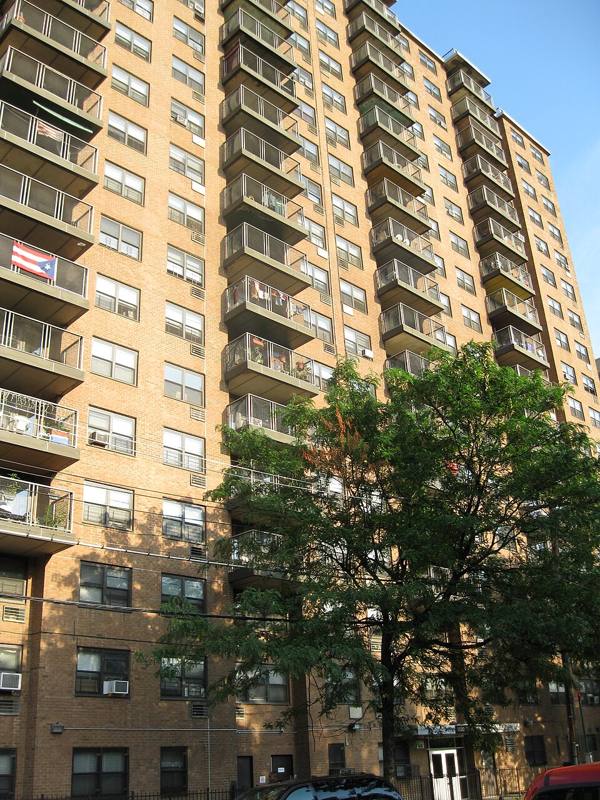
On August 11, 1973, a party in the recreation room of 1520 Sedgwick Avenue in the West Bronx became one of the most famous events in music history. Clive Campbell, a young DJ born in Kingston, Jamaica, who performed as DJ Kool Herc, played records at a back-to-school party organized by his sister Cindy. That date is widely celebrated as the birthday of hip hop.
Herc brought Jamaican sound system ideas to the Bronx: a powerful custom speaker setup, a focus on the crowd, and talking over the music. See the origins of DJing.
The break
Herc noticed that dancers went wildest during the break, the short section of a funk or soul record where the vocals and most instruments drop out, leaving drums and percussion. Breaks were often only a few seconds long.
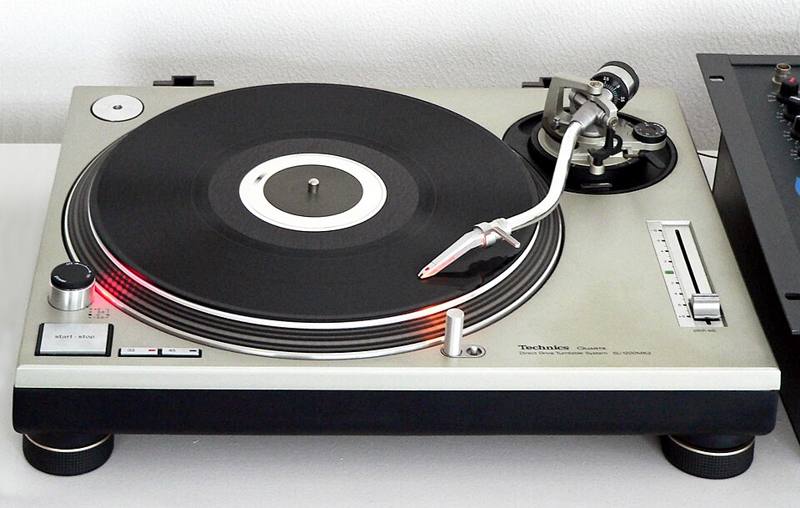
His solution became known as the merry-go-round: he played two copies of the same record on two turntables, and when the break ended on one, he switched to the other copy at the start of the break. By going back and forth, he extended a few seconds of drums into minutes. Dancers who performed during these breaks became known as b-boys and b-girls, or break dancers.
This was the beginning of looping, now one button on modern gear. See looping.
Building the elements
Hip hop culture is often described in four elements:
| Element | What it is |
|---|---|
| DJing | Playing and manipulating records |
| MCing | Rhyming and hosting over the music |
| Breaking | The dance style performed to breaks |
| Graffiti | Visual art, often on walls and trains |
At first, the MC's job was to hype the crowd and introduce the DJ. Over the 1970s, MCs became the stars, and rapping developed into the art form heard on records.
The next wave of DJs
Other Bronx DJs refined Herc's ideas:
- Grandmaster Flash studied how to cut between breaks precisely. He developed what he called the "quick mix theory," and marked his records so he could find the start of a break by sight, a technique sometimes called the clock theory.
- Grand Wizzard Theodore is widely credited with discovering the scratch in the mid 1970s by moving a record back and forth under the needle. See scratching basics.
From parks to records
For several years hip hop existed mainly live, at parties and in parks, and on cassette recordings. In 1979, the first commercially successful hip hop records were released, and the music spread through radio, clubs and later music television. Within a decade, hip hop was a global force, and DJs had begun treating the turntable as an instrument in its own right. Read the turntable as an instrument.
Hip hop tempo and DJing
Early hip hop sat around the tempos of the funk breaks it borrowed, often around 90 to 110 BPM. Modern hip hop ranges widely, from about 70 to 100 BPM, and trap often uses a 130 to 150 BPM grid with a half-time feel. Hip hop DJs mix quickly, cut often and scratch. See our BPM chart.
The building at 1520 Sedgwick Avenue is an ordinary apartment block. Its connection to hip hop history has been recognized by New York State, and hip hop's 50th anniversary in 2023 was celebrated around the world.