The vinyl revival
Vinyl nearly vanished in the CD and MP3 era, then came back. Here is how DJs kept records alive, why sales grew again, and what the revival means for DJs today.
The fall
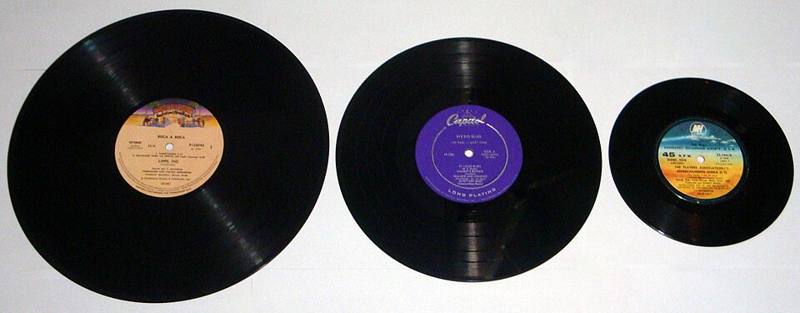
For most of the 20th century, the vinyl record was the main way people bought music. Then the compact disc, launched commercially in 1982, offered convenience, durability and no surface noise. By the early 1990s, CDs dominated, and record pressing plants closed around the world.
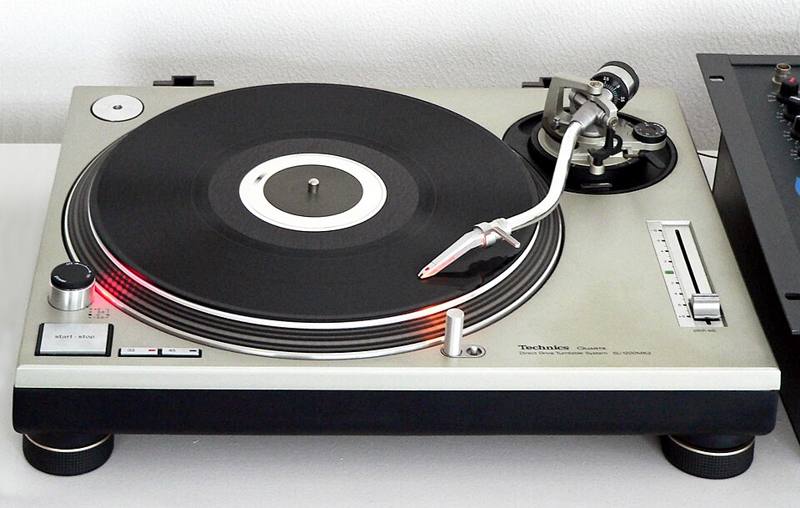
DJs were one of the few groups who kept vinyl alive. Club records in house, techno, hip-hop and drum and bass kept coming out on 12-inch singles, because DJs needed them and turntables such as the Technics SL-1200 were the club standard. See the turntable as an instrument.
Digital DJing arrives
In the 2000s, digital tools changed DJ booths:
- CDJs let DJs play CDs and later USB drives with the feel of a turntable.
- Digital vinyl systems (DVS) such as Final Scratch and later Serato Scratch Live used special timecode records to control digital files, letting DJs keep the feel of vinyl without carrying crates.
- Controllers and laptops made DJing cheaper and more accessible.
Many DJs stopped buying records altogether. In 2010, Panasonic announced it would stop making Technics turntables, which seemed like the end of an era.
The comeback
Vinyl sales began growing again in the mid 2000s and kept rising for many years. Reasons include:
- The physical object: large artwork, liner notes, colored pressings and collectability.
- Ritual: listening to a full album side without skipping.
- Record Store Day, started in 2008, which turned independent shops into event destinations with exclusive releases.
- Fan support: buying vinyl became a way to support artists directly.
In the United States, vinyl revenue overtook CD revenue in 2020 for the first time since the 1980s, according to industry figures from the RIAA. Technics also brought the SL-1200 back in 2016.
What it means for DJs
| Vinyl DJing | Digital DJing | |
|---|---|---|
| Cost per track | High | Low |
| Portability | Heavy crates | A USB stick |
| Feel | Tactile, hands-on | Tactile with good gear, plus visual aids |
| Availability | Limited pressings | Almost everything |
| Wear | Records and needles wear | Files do not |
| Skills | Beatmatching by ear required | Sync is available |
Many DJs now mix both. Vinyl sets are popular at certain clubs, radio shows and special events, and "all-vinyl" nights have become a selling point.
Getting into vinyl DJing
- Start with a quality direct-drive turntable with adjustable pitch. See turntables.
- Choose a DJ cartridge and stylus suited to mixing or scratching. See needles and cartridges.
- Buy from local record stores and online marketplaces.
- Store records upright, away from heat and sunlight.
- Clean records before playing.
Pressing challenges
The revival brought new problems: limited pressing plant capacity, long wait times for new releases and higher prices. New plants have opened to meet demand, but small labels can still wait months for pressings.
Keep a digital copy of your favorite records for gigs. It protects your rare vinyl from wear and theft while still letting you play the music.